Balanced Meal Plans: 1-Week or 1-Month Recipes
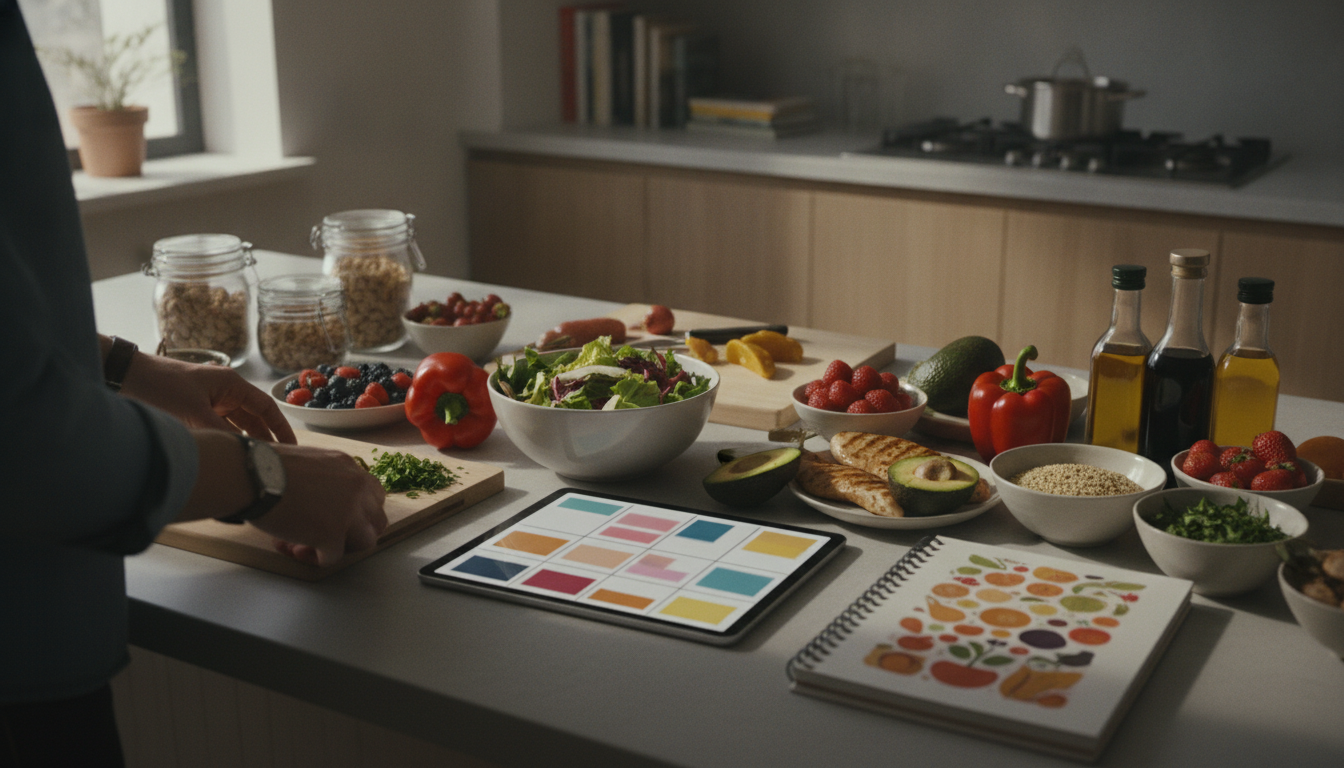
Healthy Meal Plans Made Simple: One Week or One Month of Balanced Recipes
A consistent meal plan can make healthy eating feel automatic—especially when breakfast, lunch, dinner, and snacks are already mapped out with balanced portions. The goal isn’t perfection; it’s a repeatable setup that supports steady energy, fewer last-minute food decisions, and meals that still taste like real life.
Below is a practical way to recognize a truly balanced plan, choose a planning window that fits your schedule, and shop once so weekday cooking feels lighter. For a ready-to-follow option, the Healthy Meal Plan & Recipe Collection (one-week or one-month eBook) organizes coordinated recipes across the whole day so you can keep momentum without reinventing every meal.
What a “balanced” meal plan looks like in everyday life
A balanced plan is less about a strict rulebook and more about a dependable structure you can repeat. A simple formula works well for most meals: protein + fiber-rich carbs + colorful produce + healthy fats.
Use a repeatable structure (not a rigid menu)
When meals follow a pattern, it’s easier to shop and easier to mix-and-match. Think: chicken or beans, brown rice or sweet potatoes, a big serving of veggies, and olive oil or avocado.
Keep energy stable with early-day protein
If breakfast is mostly carbs, hunger often spikes mid-morning and cravings hit mid-afternoon. Including protein at breakfast and snacks (eggs, Greek yogurt, tofu, cottage cheese, tuna) helps support steadier energy.
Create variety without complexity
Instead of buying a different ingredient list for every recipe, rotate a small set of “core” ingredients: chicken, beans/lentils, eggs, yogurt, leafy greens, frozen vegetables, and whole grains. Use different seasonings to change the flavor profile without changing your entire grocery cart.
Rely on easy portion cues
If calorie counting isn’t the goal, use the plate method as a quick guide—an approach reflected in resources like USDA MyPlate and the Harvard Healthy Eating Plate. Aim for plenty of non-starchy vegetables, a palm-sized portion of protein, and a fist-sized serving of whole grains or starchy vegetables, plus a small amount of healthy fat.
Match recipes to the week you’re actually having
Busy nights need 15–25 minute options or sheet-pan dinners. Less hectic days can handle a slower-cooker meal or a batch-cook recipe that sets up multiple lunches.
One-week vs one-month planning: which schedule fits best?
Both planning styles can work—what matters is choosing a timeline that matches how often your schedule changes.
When a one-week plan is best
One-week plans are ideal for beginners, travelers, and anyone testing new foods without overcommitting. They also work well when work shifts, kids’ activities, or social plans change week to week.
When a one-month plan is best
One-month planning reduces repeat decision-making and can cut grocery runs—especially useful for families or high-workload seasons. The key is keeping it flexible by using “modules” (breakfast set, lunch set, dinner set, snack set) rather than locking every meal to a specific day.
Sample one-week meal plan structure (mix-and-match format)
| Day | Breakfast | Lunch | Dinner | Snack Ideas |
|---|---|---|---|---|
| Mon | Protein + fruit + whole grain | Lean protein bowl + veggies | Sheet-pan protein + roasted veg | Greek yogurt, nuts, cut veggies |
| Tue | Egg-based or tofu-based option | Leftover dinner + salad | Stir-fry with brown rice/quinoa | Fruit + nut butter, hummus |
| Wed | Overnight oats or chia bowl | Soup/salad combo | Slow-cooker or one-pot meal | Cottage cheese, trail mix |
| Thu | Smoothie with protein + fiber | Wrap/pita with protein + greens | Pasta with veggies + protein | Hard-boiled eggs, popcorn |
| Fri | High-protein toast + produce | Grain salad or poke-style bowl | Taco bowl with beans/lean meat | Edamame, dark chocolate square |
| Sat | Brunch-style balanced plate | Quick sandwich + side salad | Homemade “takeout” night | Protein bar, fruit |
| Sun | Simple repeat favorite | Leftovers or freezer meal | Batch-cook recipe for the week | Veggies + dip, kefir |
Breakfast, lunch, dinner, and snacks that work together
Breakfast: protein + fiber first
Lunch: use a fast bowl formula
Dinner: keep weeknights simple
Snacks: treat them like mini-meals
Grocery strategy: buy once, cook smarter
Start with a core list
Use 2–3 anchor seasonings
Lean on the freezer
Prep the highest-leverage items first
Keep a busy-day backup
Common pitfalls—and how to avoid them
Overly strict plans
Not enough protein earlier in the day
Too many new recipes at once
Underestimating time
Skipping flavor
A ready-to-use recipe collection for one-week or one-month planning
Quick checklist for choosing a meal plan eBook
| Feature | Why it helps | What to look for |
|---|---|---|
| Plan length options | Matches changing schedules | One-week and one-month formats |
| All-day coverage | Prevents grazing and gaps | Breakfast, lunch, dinner, snacks included |
| Balanced structure | Supports steady energy | Protein + fiber + produce built in |
| Practical prep | Improves follow-through | Batch-cook ideas and leftovers guidance |
| Ingredient overlap | Cuts cost and waste | Recipes reuse core ingredients |
If you want an all-in-one option that’s easy to reference while cooking, the Healthy Meal Plan & Recipe Collection | One-Week or One-Month Healthy Meal Plan with Recipes for Breakfast, Lunch, Dinner & Snacks | Balanced Nutrition eBook is designed for flexible planning and realistic prep.
For days when stress or mental load makes consistency harder, pairing meal structure with supportive routines can help. Two digital add-ons that can complement a planning mindset are The Anxiety Relief Bundle: A Path to Calm and the Study Skills Mastery Guide for focus and follow-through strategies that translate well to meal prep habits.
FAQ
Are meal delivery services actually healthy?
They can be, but it depends on the provider and the specific meals you choose. Check calories, sodium, saturated fat, fiber, and protein, and compare portions to what you’d typically serve at home; meal kits can help with portion control, but some options can run high in sodium or be harder to customize.












Leave a comment